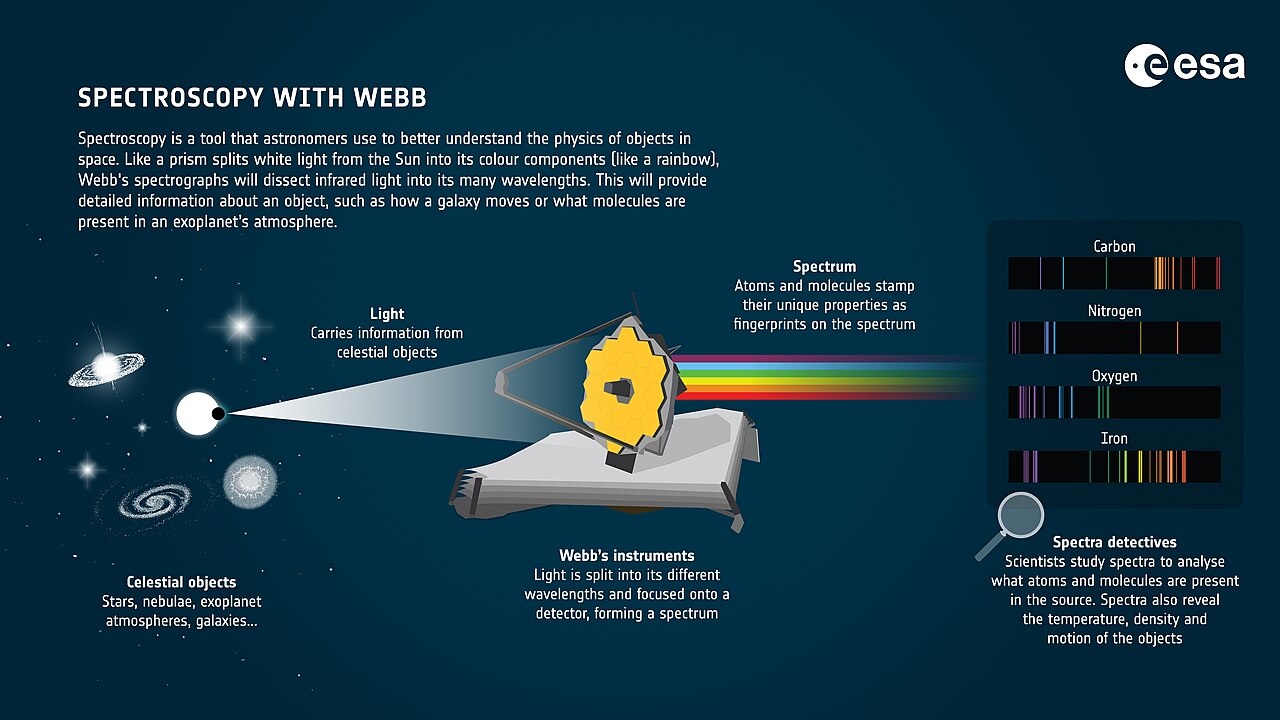
UV Spectroscopy is an analytical method used to study how molecules absorb ultraviolet light (typically in the 200–400 nm range), providing insight into their electronic structure. It works on the principle that electrons in a molecule can absorb UV radiation and transition from lower-energy (ground) states to higher-energy (excited) states, particularly in systems with π bonds or lone pairs. The resulting absorption spectrum—usually plotted as absorbance versus wavelength—can reveal the presence of conjugated systems, functional groups, and the extent of delocalization within a compound. Quantitatively, it follows the Beer–Lambert law, which relates absorbance to concentration, making it useful for determining substance concentration in solutions. UV spectroscopy is widely applied in chemistry, biochemistry, and pharmaceutical analysis for identifying compounds, studying reaction kinetics, and assessing purity.
Course info
- Teacher: Dr SUPRABHA S Chemistry
- Teacher: Dr. Smitha S L