Course info
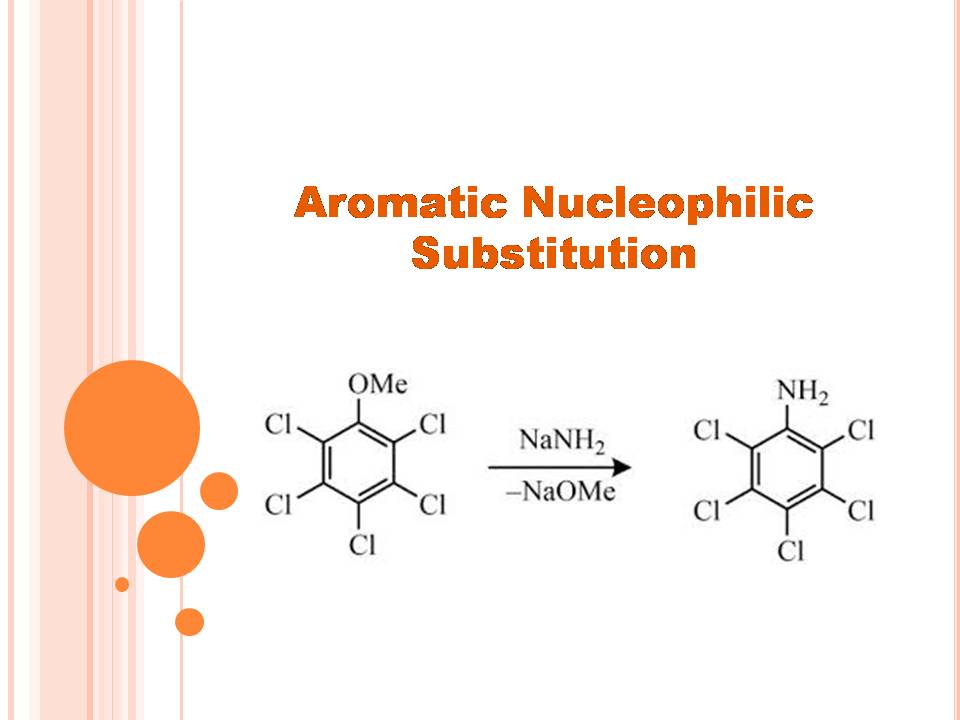
This course introduces the fundamental concepts, mechanisms, and applications of Aromatic Nucleophilic Substitution (SNAr) reactions, an important class of reactions in organic chemistry. Unlike aliphatic substitution, nucleophilic substitution in aromatic systems follows unique pathways due to the stability and electronic structure of the benzene ring.
The course begins with a review of aromaticity and factors affecting reactivity in substituted benzene derivatives. It then explores the two major mechanisms of nucleophilic substitution in aromatic systems:
-
Addition–Elimination Mechanism (SNAr mechanism)
-
Elimination–Addition Mechanism (Benzyne mechanism)
Students will learn how electron-withdrawing groups (such as –NO₂) activate the aromatic ring toward nucleophilic attack and how leaving groups influence reaction pathways.
- Teacher: Dr. Smitha S L
- Teacher: Dr. RESMI V G